In the fast-evolving landscape of sustainable energy, fuel cell electric vehicles (FCEVs) are paving the way for cleaner alternatives to traditional automobiles. Central to their development is the intricate process of producing high-quality fuel cell components. A method that stands out for its precision and efficiency in this arena is hot press forming. This blog post explores why hot press forming is indispensable in the production of fuel cell components, highlighting its advantages, technology, and applications in modern FCEVs.
Table of contents:
How Hot Press Forming Elevates Quality and Precision in Fuel Cell Components
Key Advantages of Hot Press Forming for Sustainable Fuel Cell Manufacturing
How Advanced Forming Technology Supports Next-Gen Fuel Cell Electric Vehicles
Why Hot Press Forming is the Preferred Method for Fuel Cell Layer Production
How Hot Press Forming Elevates Quality and Precision in Fuel Cell Components
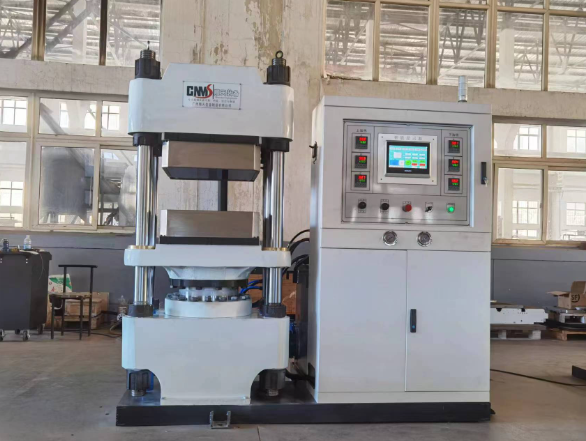
Hot press forming is a process that uses high temperatures and pressure to shape material into desired forms. For fuel cell components, this means achieving exceptional precision and quality, which are crucial for optimal performance. The process ensures uniformity in component thickness and density, reducing the likelihood of defects that could compromise the efficiency of a fuel cell. By employing advanced control systems, hot press forming can maintain minute tolerances that meet the stringent standards required for FCEVs.High levels of accuracy in fuel cell components translate to more efficient energy conversion and better performance of the entire vehicle. The precision afforded by hot press forming helps minimize energy loss, ensuring that each component functions seamlessly within the larger system. This reliability is essential as automakers push for greater range and performance in FCEVs, making hot press forming a key player in the industry's progress.
Key Advantages of Hot Press Forming for Sustainable Fuel Cell Manufacturing
The environmental benefits of FCEVs are well-documented, but achieving sustainability also requires innovative manufacturing processes. Hot press forming contributes to this goal in several ways. Firstly, it allows for the use of lighter materials without compromising strength, which is critical for reducing vehicle weight and improving fuel efficiency. Additionally, the method's precision reduces material waste, aligning with sustainable production practices.Furthermore, hot press forming technology enables the integration of composite materials, which can enhance the durability and lifespan of fuel cell components. This not only improves the sustainability of the vehicles themselves but also reduces the environmental impact of manufacturing over time. When compared to traditional methods, hot press forming offers a more eco-friendly solution that supports the industry's shift toward greener technologies.
How Advanced Forming Technology Supports Next-Gen Fuel Cell Electric Vehicles
The push for more efficient and powerful FCEVs has driven significant advancements in forming technology. Hot press forming is at the forefront of these developments, offering enhanced capabilities that support the complex requirements of next-generation vehicles. The technology supports the production of components with complex geometries and integrated functions, which are essential for the compact and efficient design of modern FCEVs.Through the use of servo-electric systems, hot press forming provides superior control over pressure and temperature, ensuring that each component is formed precisely to specification. This level of control is vital for creating the advanced designs that characterize next-gen FCEVs, enabling manufacturers to push the boundaries of what is possible in terms of performance and range. With hot press forming, the possibilities for innovation in fuel cell technology are virtually limitless.
Why Hot Press Forming is the Preferred Method for Fuel Cell Layer Production
When it comes to producing the layers that make up a fuel cell, hot press forming is the method of choice for many manufacturers. Its ability to deliver consistent results with high precision makes it ideal for the delicate task of forming the proton exchange membrane (PEM) layers, which are central to the fuel cell's operation. These layers must be impeccably uniform to ensure the efficient transfer of ions and maximize the cell's power output.Hot press forming not only ensures uniformity but also enhances the structural integrity of these layers, preventing degradation and extending the life of the fuel cell. This reliability is critical as manufacturers aim to produce FCEVs that can compete with traditional vehicles in terms of longevity and maintenance costs. By choosing hot press forming, companies can meet these demands while maintaining a commitment to high-quality, sustainable manufacturing practices.
In the realm of fuel cell component production, hot press forming has emerged as an essential technique for achieving high-quality, precise, and sustainable results. Its role in the evolution of FCEVs is undeniable, providing manufacturers with the tools to create the next generation of efficient, reliable, and environmentally friendly vehicles. For businesses looking to innovate in the fuel cell sector, investing in hot press forming technology is not just a strategic advantage; it is a necessity for staying competitive in the fast-paced world of sustainable transportation.
Comments
Post a Comment