When it comes to industrial processes that require melting metals, selecting the right melting furnace is essential for efficiency, cost-effectiveness, and achieving the desired results. The type of furnace you choose can significantly impact your production output, energy consumption, and overall operational success. With various options available, including induction furnaces, cupolas, and electric arc furnaces, understanding the specific needs of your operation is critical. For specialized needs, working with a trusted High Vacuum Melting Furnace Manufacturer can ensure high-quality performance and reliability. This guide will help you explore the factors to consider when choosing the ideal melting furnace for your business.
Table of contents:
Differences Between Gold Melting Furnaces and Induction Melting Machines
How to Select the Best Vacuum Induction Melting Furnace for Precision Applications
Key Factors to Consider When Choosing a Small Vacuum Induction Furnace
Differences Between Gold Melting Furnaces and Induction Melting Machines
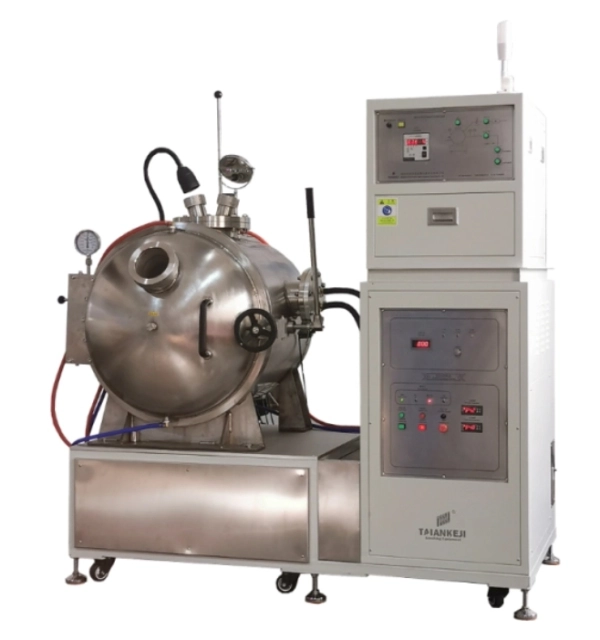
When it comes to industrial applications, selecting the right melting furnace is pivotal to ensure efficiency, precision, and cost-effectiveness. From small-scale operations to large industrial setups, knowing the distinctions between different types of furnaces, such as gold melting furnaces and induction melting machines, can guide you toward making the best decision. For applications requiring the highest precision, vacuum induction melting furnaces, like Taeantech’s high vacuum melters, offer unmatched technological advantages. Their advanced features, such as German-engineered vacuum pumps and intelligent Mitsubishi PLC+PID control systems, maintain optimal conditions by isolating precious metals from air exposure. This guarantees no metal oxidation or coloration irregularities. Further, vacuum induction furnaces prove especially beneficial for melting high-temperature metals like platinum and rhodium, achieving temperatures of up to 2200°C in mere minutes. These furnaces are clearly a necessity for industries that demand extreme refinement and quality.
How to Select the Best Vacuum Induction Melting Furnace for Precision Applications
When selecting the best vacuum induction melting furnace, understanding its core features is vital. For industries requiring exceptional precision, Taeantech’s high vacuum options stand out, catering to businesses handling gold, platinum, copper, and alloys. For those in search of high-precision processes, the high-frequency IGBT induction heating technology incorporated in furnaces like the Taeantech TAKJ-HVQ delivers rapid heating and melting in as little as two minutes. The mechanical stirring function offered under a complete vacuum ensures uniform metal composition, while the secondary feeding feature controls low-temperature metal addition. Furthermore, the Mitsubishi intelligent control system enables ease of operation, even with complex tasks, with temperature precision maintained at less than a ±1°C margin. Enterprises investing in quality and capability should weigh features like these when considering options for their operational needs.
Key Factors to Consider When Choosing a Small Vacuum Induction Furnace
For smaller-scale projects or startups, small vacuum induction furnaces are an ideal choice, delivering efficiency and versatility. Taeantech’s scalable solutions, like the TAKJ-HVQ line, allow users to melt quantities ranging from 1kg to 30kg, accommodating varying business needs. These advanced induction melting machine ensure efficiency through manual or automated pouring capabilities and compatibility with multiple metals. The inclusion of a state-of-the-art nitrogen or argon shielding gas system ensures the safety and consistency of the melting environment, providing flexibility for diverse applications. Furthermore, the compact design and intelligent interfaces make smaller vacuum induction furnaces perfect for organizations looking to maximize performance while minimizing space and operational costs. Deciding factors should include not only the machine’s immediate functionality but also its reliability—Taeantech emphasizes system stability through protective technologies to reduce downtime and overall failure rates. Ultimately, industrial buyers benefit significantly from evaluating performance metrics, capacity, and material compatibility to select an induction melting machine that aligns with their long-term goals.
Vacuum induction furnaces provide a high level of precision, reliability, and efficiency that meets the demands of modern industrial applications. With innovative designs and advanced features, these furnaces offer versatile solutions for diverse industries while maintaining cost-effectiveness and operational efficiency. By carefully assessing factors such as performance, capacity, and stability, businesses can make informed decisions that drive productivity and align with their long-term objectives. Taeantech remains committed to delivering cutting-edge solutions that empower organizations to achieve exceptional results in metal processing and beyond.
Comments
Post a Comment