When choosing a shredder for your industrial or recycling needs, finding the right type is crucial. The two main types, single shaft shredder and multi-shaft shredders, each offer unique capabilities suited to different tasks. Understanding their differences is key to making an informed decision. This blog takes a closer look at their features, benefits, and use cases, helping you pick the right shredder for your operations.
Table of contents:
Advantages of Single Shaft Shredders in Handling Diverse Materials
Multi-Shaft Shredders: When They Are the Better Choice
Cost Efficiency Comparison: Single Shaft vs. Multi-Shaft Shredders
Material Compatibility and Throughput Considerations
Advantages of Single Shaft Shredders in Handling Diverse Materials
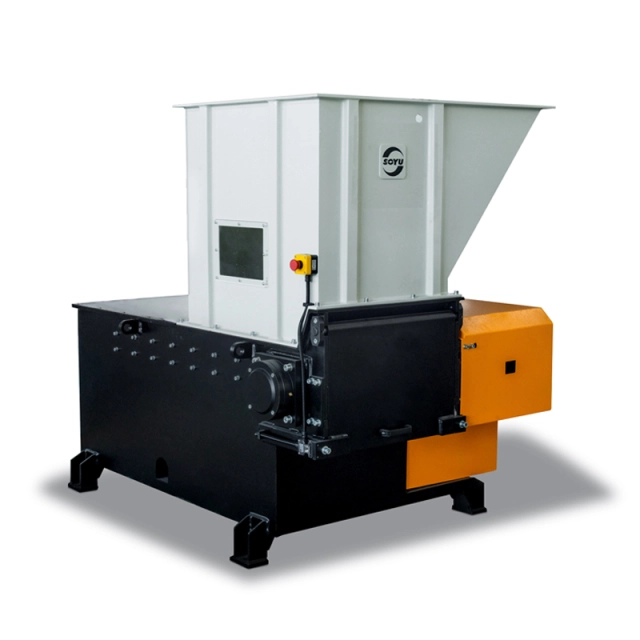
Single shaft shredders are the go-to solution for businesses looking for powerful, versatile shredding machines capable of handling a variety of materials. With their robust design, these shredders can process items like wood, plastics, paper, electronic scrap, municipal solid waste, and more. One standout feature is their use of a rotary cutting blade that works seamlessly with a pusher system to ensure materials are efficiently broken down into consistent particle sizes. The particle size can be customized by adjusting the screen mesh, making single shaft shredders ideal for applications such as material recycling or preparing refuse-derived fuel (RDF). Their intelligent electric control system also ensures operational safety and reliability, making them a popular choice for industries seeking both performance and durability. If you need materials reduced to smaller, uniform sizes, single shaft shredders might be the right fit.
Multi-Shaft Shredders: When They Are the Better Choice
Multi-shaft shredder, on the other hand, are designed for tasks that demand greater power and precision, particularly when working with tougher or bulkier materials. Their design involves two or more shafts equipped with rotating blades that provide superior grip and cutting action. This configuration is especially effective for breaking down higher-density materials such as metals, tires, and industrial scrap. Additionally, multi-shaft shredders excel in tasks where pre-processing is required to reduce material size before moving on to single shaft shredders for further refinement. With more shafts, these shredders give you better control over how the materials are shredded, offering flexibility and improved efficiency for processing hard-to-handle materials. Whether you’re dealing with metal debris or oversized items, multi-shaft shredders can be the better choice for industrial-scale tasks.
Cost Efficiency Comparison: Single Shaft vs. Multi-Shaft Shredders
The cost of operating these shredders often depends on their design and intended use. Single shaft shredders are typically more cost-effective when handling smaller to medium-scale tasks due to their simplicity and efficiency. Their lower initial costs and reduced maintenance needs make them an excellent choice for businesses prioritizing affordability without compromising productivity. Multi-shaft shredders, while generally more expensive, provide heavy-duty performance and durability that justifies their higher price point. They are well-suited for industries that require consistent shredding of challenging materials. When deciding on cost efficiency, think about what you’ll be shredding and the scale of your operations. A single shaft shredder is often enough for most general recycling tasks, whereas a multi-shaft shredder is ideal for specialized, tougher workloads.
Material Compatibility and Throughput Considerations
Another critical factor to consider is the compatibility of the shredder with the materials you're processing. Single shaft shredders are versatile and can handle a wide variety of materials ranging from plastic and wood to RDF. They are especially efficient with soft or lightweight materials and deliver consistent particles ready for further processing or reuse. Multi-shaft shredders excel with heavy, bulky items and metallic scrap where higher torque and precision are essential to breaking down materials efficiently. Throughput is another consideration—single shaft shredders generally offer faster processing speeds for lighter materials, while multi-shaft shredders can handle larger quantities of tougher materials but might process them at a slower pace. By understanding your materials and production goals, you can choose the right shredder to optimize your operational efficiency.
Ultimately, the choice between single shaft and multi-shaft shredders comes down to your specific use case, material type, and budget. Whether you need the cost efficiency and versatility of a single shaft shredder or the power and precision of a multi-shaft shredder, selecting the right machine will make all the difference in the productivity and effectiveness of your shredding operations. Explore high-quality shredders tailored to your needs at SOYU Shredders and take the next step towards optimized material processing.
Comments
Post a Comment