Table of contents:
An Overview of Copper Cable Lugs and Their Benefits
When to Use Aluminum vs. Copper Cable Lugs
Specialty Cable Lugs: Bimetallic and Their Unique Uses
Industry-Specific Applications of Various Cable Lugs
An Overview of Copper Cable Lugs and Their Benefits
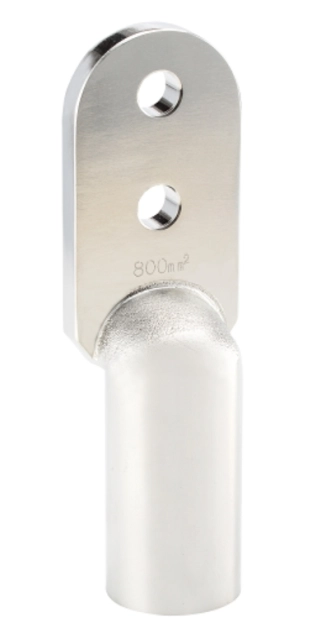
Copper cable lugs are among the most commonly used connectors in the electrical industry. Manufactured using high-quality copper, they are prized for their excellent conductivity and durability. Copper lugs, such as the oil-blocking copper terminals available in the market, come with features like anti-oxidation, corrosion resistance, and optimal crimping performance. These attributes make copper lugs particularly suitable for high-voltage applications like those seen in power stations or electrical equipment terminals. Their tin-plated surfaces further enhance their longevity and performance by preventing oxidation. Whether for outdoor use in harsh environments or in sensitive indoor setups, copper cable lugs are highly versatile and reliable, ensuring efficient electrical transmission.
When to Use Aluminum vs. Copper Cable Lugs
The choice between aluminum and copper cable lugs largely depends on the application's specific requirements. Aluminum cable lugs are lightweight and cost-effective, making them an excellent choice for applications with budget constraints or where weight is a factor. While they offer decent conductivity, they are typically used in less demanding environments compared to copper lugs. On the other hand, copper cable lugs outperform aluminum in terms of conductivity, durability, and resistance to environmental factors such as oxidation and corrosion. Copper is often the preferred choice for high-voltage applications or installations where long-term reliability is critical. Care must be taken to ensure proper compatibility with the conductors, as mixing copper and aluminum can lead to electrochemical corrosion.
Specialty Cable Lugs: Bimetallic and Their Unique Uses
Bimetallic cable lugs are a unique innovation designed to bridge the gap between copper and aluminum conductors. These specialty lugs have an aluminum barrel and a copper palm, which are bonded using friction welding. This design allows effective conductivity while reducing the risk of galvanic corrosion when connecting dissimilar metals. Bimetallic lugs are a popular choice in industries like power generation or distribution, where the combination of aluminum and copper conductors is common. They are particularly effective in renewable energy projects, such as solar and wind farms, where dependable and efficient connectors are critical to maintaining system performance.
Industry-Specific Applications of Various Cable Lugs
Different industries rely on specific types of cable lugs to meet their unique operational demands. For instance, in the energy sector, such as high-voltage power stations, oil-blocking copper terminals are essential for ensuring secure connections under extreme conditions. Automotive industries commonly use aluminum lugs due to their lightweight and affordability, while copper lugs dominate industrial applications requiring rugged and durable connectors. Bimetallic lugs find significant use in telecommunications, where a mix of copper and aluminum conductors is often used to maintain cost efficiency without compromising performance. Additionally, industries focusing on renewable energy rely on bimetallic and copper lugs to ensure reliable energy transmission and to optimize system efficiency.
In conclusion, the choice of cable lugs depends largely on the specific requirements of the application, including factors such as material compatibility, durability, and cost efficiency. Whether utilizing aluminum, copper, or bimetallic lugs, each type offers unique advantages tailored to different industries and use cases. A clear understanding of these characteristics ensures the safe, efficient, and long-lasting performance of electrical systems across various sectors.
Comments
Post a Comment