Table of contents:
Exploring the Design and Material of TC Type Shaft Oil Seal
How Rotary Shaft Seals Enhance Equipment Longevity
Applications of Shaft Seals in Various Industries
Selecting the Right Shaft Seal for Your Needs
Exploring the Design and Material of TC Type Shaft Oil Seal
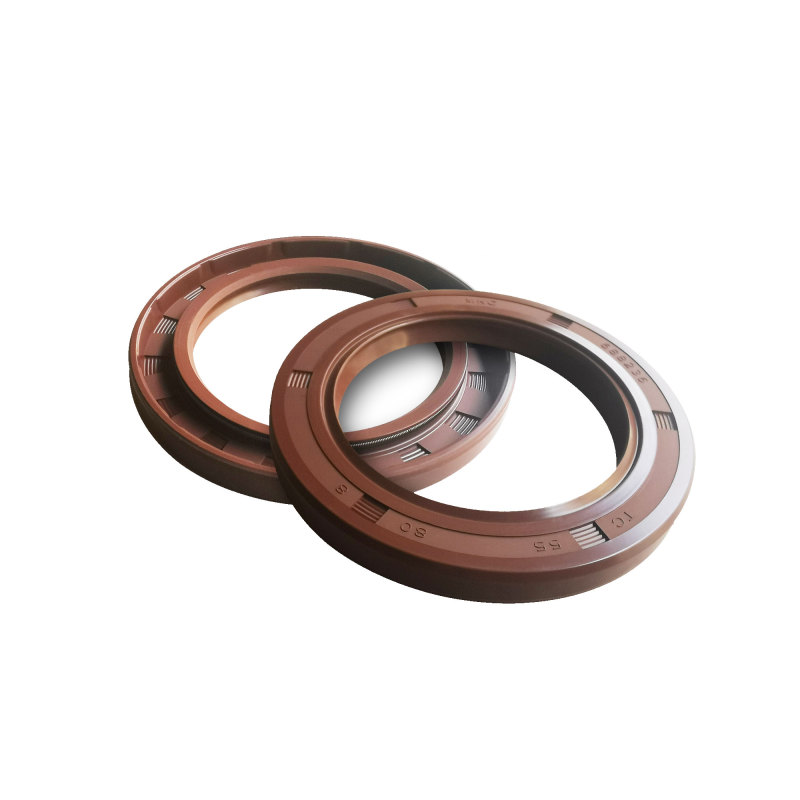
The TC type shaft oil seal is characterized by its peripheral rubber and internal all-inclusive design, which incorporates a double lip and an internal spring, also known as a lip seal ring. This design is particularly effective in applications involving both oil and dust, providing a reliable barrier against contaminants. The seal's ability to support a maximum pressure of 0.03mpa makes it suitable for a variety of industrial uses. Furthermore, the TC type oil seal is available in materials such as nitrile rubber, fluororubber, and silicone rubber. These materials are selected based on the specific media, pressure, and temperature requirements of different applications, ensuring that the seal performs optimally under various conditions. When sourced from a reputable shaft oil seal manufacturer, these seals offer durability and efficiency.
How Rotary Shaft Seals Enhance Equipment Longevity
Rotary shaft seals are integral to the longevity of machinery by preventing leakage and contamination. By maintaining the separation between moving parts and the environment, these seals reduce wear and tear, ultimately extending the lifespan of equipment. A reliable oil seal manufacturer provides products that not only protect against oil leakage but also prevent dust and other contaminants from entering critical components. This dual protection is essential for maintaining the integrity of machinery, especially in harsh operating conditions. The use of high-quality materials and precise engineering ensures that the seals can withstand the demands of various industrial applications. When choosing a shaft oil seal manufacturer, it is crucial to consider their expertise and track record in providing seals that enhance equipment longevity.
Applications of Shaft Seals in Various Industries
Shaft seals are indispensable in a wide range of industries, from automotive to manufacturing. In the automotive sector, these seals are used in engines, gearboxes, and axles to prevent oil leakage and contamination, ensuring smooth operation. Manufacturing industries rely on shaft seals to maintain the efficiency of machinery involved in production processes. Additionally, the seals are vital in the agricultural sector, where they protect equipment from the harsh outdoor environment. The versatility of TC type shaft seals makes them suitable for diverse applications, and selecting the right shaft oil seal manufacturer is crucial for meeting industry-specific needs. With the right seal, industries can achieve better performance, reduced maintenance costs, and enhanced safety.
Selecting the Right Shaft Seal for Your Needs
Choosing the appropriate shaft seal involves considering several factors, including the type of media, pressure, and temperature the seal will be exposed to. It is essential to work with a reputable oil seal manufacturer that offers a range of materials and designs to suit different applications. Nitrile rubber, for instance, is ideal for general-purpose seals, while fluororubber is better suited for high-temperature environments. Silicone rubber offers excellent flexibility and resistance to extreme temperatures. By understanding the specific requirements of your application, you can select a shaft seal that provides optimal performance and longevity. Consulting with a knowledgeable shaft oil seal manufacturer can help you make an informed decision, ensuring that your equipment remains protected and efficient.
In summary, the TC type shaft seal is a vital component in ensuring the efficient operation and longevity of machinery across various industries. Its robust design, coupled with the availability of different materials, makes it a versatile choice for many applications. By choosing a reliable shaft oil seal manufacturer, businesses can benefit from high-quality seals that protect against oil leakage and contamination, ultimately enhancing equipment performance. Understanding the key features and benefits of these seals is essential for making informed decisions and achieving the best results in your industry.
Comments
Post a Comment