Table of contents:
The Journey from Single Core Building Wire Factory to Finished Product
Quality Assurance Practices in Single Core Building Wire Factories
Exploring the Materials Used by Building Wire Manufacturers
How Single Core Building Wire Manufacturers Meet Global Standards
The Journey from Single Core Building Wire Factory to Finished Product
The journey of a single core building wire begins in the factory, where raw materials are transformed into a finished product. This process involves several stages, each crucial to ensuring the wire's integrity and performance. Initially, copper conductors are prepared, either in solid or stranded form, depending on the required flexibility and application. These conductors are then insulated with PVC, which provides the necessary protection and durability. The insulation process is meticulously controlled to maintain consistent thickness and adherence to standards. As a single core building wire manufacturer, ensuring that every wire meets the specified voltage ratings and temperature thresholds is paramount. The final product undergoes rigorous testing to verify its compliance with international standards such as IEC 60227 and BS 6004, ensuring it is ready for safe installation.
Quality Assurance Practices in Single Core Building Wire Factories
Quality assurance is a cornerstone of any single core building wire service. Manufacturers implement comprehensive quality control measures throughout the production process to ensure each wire meets the highest standards. This includes regular inspections and testing at various stages, from raw material selection to the final product. Advanced testing equipment is used to assess the wire's electrical properties, such as resistance and conductivity, as well as its physical attributes like tensile strength and flexibility. A single core building wire manufacturer must also ensure that the insulation is free from defects and can withstand environmental stressors. By adhering to strict quality assurance protocols, manufacturers can guarantee that their products are safe, reliable, and meet the needs of their clients worldwide.
Exploring the Materials Used by Building Wire Manufacturers
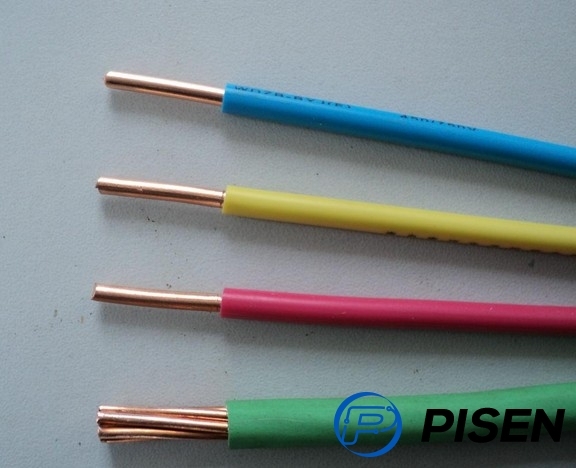
The choice of materials is critical in the manufacturing of single core building wires. Copper is the preferred conductor due to its excellent electrical conductivity and durability. It can be used in both solid and stranded forms, offering versatility in applications. The insulation material, typically PVC, is selected for its ability to provide robust protection against electrical and environmental factors. It is available in various colors, allowing for easy identification during installation. A single core building wire manufacturer must carefully select these materials to ensure they meet the necessary standards and provide long-lasting performance. The materials' quality directly impacts the wire's capability to handle voltage and temperature variations, making it essential for manufacturers to source the best available options.
How Single Core Building Wire Manufacturers Meet Global Standards
Meeting global standards is a fundamental requirement for any single core building wire manufacturer. These standards ensure that the wires are safe for use in a wide range of environments and applications. Manufacturers must comply with international regulations such as IEC 60227 and BS 6004, which specify the technical requirements for building wires. Compliance involves rigorous testing and certification processes, ensuring that each product meets the necessary safety and performance criteria. A single core building wire service plays a crucial role in this process by facilitating the distribution of certified products to clients around the world. Manufacturers often invest in state-of-the-art technology and continuous improvement practices to maintain their compliance and deliver high-quality products consistently.
In summary, the production of single core building wires is a complex process that involves meticulous attention to detail and adherence to international standards. A single core building wire manufacturer plays a vital role in ensuring that these products are crafted with precision and care. From the selection of materials to the implementation of quality assurance practices, every step is crucial to delivering wires that meet the demands of modern electrical installations. A reliable single core building wire service is essential for distributing these products globally, ensuring that they reach clients who rely on their quality and performance. By understanding the manufacturing processes and standards involved, we can appreciate the expertise and dedication required to produce these essential components of our electrical infrastructure.
Comments
Post a Comment