Table of contents:
How Modern Foam Dressings Accelerate the Wound Healing Process
Reducing Infection Risks with Antimicrobial Foam Dressings
Patient Comfort and Compliance Improvements with New Foam Dressings
Cost-Benefit Analysis of Investing in Advanced Foam Dressing Technologies
How Modern Foam Dressings Accelerate the Wound Healing Process
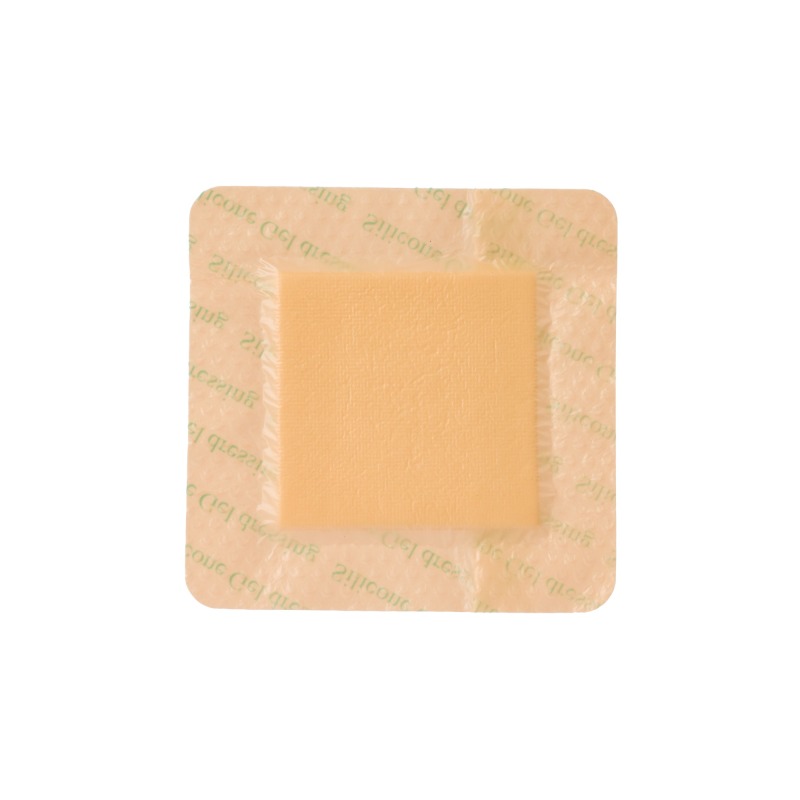
The latest innovations in foam dressing wound manufacture have led to products that actively contribute to faster wound healing. These advanced dressings, available through reputable medical supplies wholesalers, are designed to maintain an optimal moist wound environment crucial for cellular regeneration. The high absorbency of foam dressings effectively manages excess exudate, preventing maceration of surrounding skin while keeping the wound bed appropriately hydrated. This balance is key to promoting granulation tissue formation and epithelialization. Additionally, many foam wound dressing supplies now incorporate antimicrobial agents, further supporting the healing process by reducing the risk of infection. The ability of these dressings to conform to wound contours ensures consistent contact with the wound surface, facilitating even distribution of healing agents and maximizing their effectiveness.
Reducing Infection Risks with Antimicrobial Foam Dressings
Infection control is a critical aspect of wound management, and adhesive wound dressing suppliers have responded with innovative antimicrobial foam dressings. These specialized dressings, integral to the foam wound dressing supply chain, are infused with agents such as silver or iodine that provide a sustained antimicrobial effect. By creating an inhospitable environment for pathogens, these dressings significantly reduce the risk of wound infection, a common complication that can severely impede healing. Medical supplies wholesalers now offer a range of these antimicrobial options, allowing healthcare providers to select the most appropriate dressing based on wound type and patient needs. The integration of infection control within the dressing itself not only enhances patient safety but also potentially reduces the need for systemic antibiotics, contributing to broader antimicrobial stewardship efforts.
Patient Comfort and Compliance Improvements with New Foam Dressings
The focus on patient comfort has driven significant improvements in foam dressing wound manufacture. Modern foam dressings are designed with soft, flexible materials that conform to body contours, allowing for greater patient mobility and comfort. This enhanced wearability is particularly beneficial for patients requiring long-term dressing use or those with wounds in challenging locations. Adhesive wound dressing suppliers now provide products with gentle, skin-friendly adhesives that secure the dressing effectively while minimizing trauma during removal. This reduction in pain and skin damage during dressing changes can greatly improve patient compliance with treatment regimens. Furthermore, the superior fluid management of foam dressings reduces the frequency of changes needed, further enhancing patient comfort and potentially speeding up the healing process.
Cost-Benefit Analysis of Investing in Advanced Foam Dressing Technologies
While advanced foam dressings may have a higher upfront cost compared to traditional wound care products, their overall economic impact can be favorable. Medical supplies wholesalers emphasize the long-term benefits of these dressings, which include reduced healing times, decreased risk of complications, and fewer dressing changes. These factors contribute to lower overall treatment costs and improved resource utilization in healthcare settings. The extended wear time of modern foam dressings means less frequent changes, reducing both material costs and staff time. Additionally, the prevention of wound complications through better exudate management and infection control can significantly reduce the need for extended hospital stays or additional treatments. Healthcare facilities investing in quality foam wound dressing supplies may find that the initial costs are offset by improved patient outcomes and operational efficiencies.
The evolution of foam dressings represents a significant leap forward in wound care technology. These advanced products, available through specialized adhesive wound dressing suppliers and medical supplies wholesalers, offer multifaceted benefits that extend beyond mere wound coverage. By promoting faster healing, reducing infection risks, enhancing patient comfort, and potentially lowering overall treatment costs, foam dressings are setting new standards in wound management. As healthcare providers continue to prioritize patient-centered care and cost-effectiveness, the adoption of these innovative foam wound dressing supplies is likely to accelerate. The ongoing advancements in foam dressing wound manufacture promise even more sophisticated solutions, further cementing the role of these products in optimizing wound care outcomes across diverse healthcare settings.
Comments
Post a Comment