Table of contents:
Analyzing the Eco-Friendliness of 3.7V Lithium Polymer Batteries in Consumer Electronics
Recycling Challenges and Solutions for Lithium Ion Polymer Batteries
How Long Cycle Life in Rechargeable Li-Ion Batteries Contributes to Sustainability
Reducing Electronic Waste with Durable Polymer Lithium Batteries in IoT Devices
Analyzing the Eco-Friendliness of 3.7V Lithium Polymer Batteries in Consumer Electronics
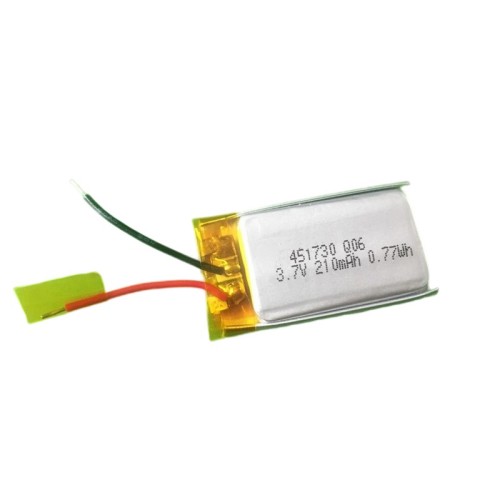
The 3.7V lithium polymer battery has become a staple in consumer electronics, prized for its high energy density and slim profile. Lithium polymer battery manufacturers have optimized these batteries to power a wide range of devices, from smartphones to GPS trackers. While these batteries offer significant advantages in terms of performance and size, their environmental impact is complex. The production process involves mining raw materials, which can have ecological consequences. However, advancements in manufacturing techniques by leading lithium polymer battery manufacturers have led to more efficient resource utilization and reduced waste. Additionally, the long lifespan of these batteries, often exceeding 800 charge cycles, means fewer replacements and less electronic waste over time.
Recycling Challenges and Solutions for Lithium Ion Polymer Batteries
As the use of lithium polymer batteries grows, so does the need for effective recycling solutions. The complex composition of these batteries presents unique challenges for recycling facilities. Lithium polymer battery manufacturers are increasingly aware of this issue and are working on designing batteries with easier-to-recycle components. Some companies are implementing take-back programs, encouraging consumers to return used batteries for proper disposal and recycling. Innovative recycling technologies are being developed to recover valuable materials like lithium and cobalt, reducing the need for new raw material extraction. Despite these efforts, consumer awareness and participation remain crucial. Educating users about the importance of recycling their GPS battery and other lithium polymer-powered devices is essential for improving recycling rates and reducing environmental impact.
How Long Cycle Life in Rechargeable Li-Ion Batteries Contributes to Sustainability
The longevity of lithium polymer batteries plays a significant role in their overall environmental impact. Many lithium polymer battery manufacturers now produce batteries capable of retaining 80% of their initial capacity after 800 or more charge cycles. This extended lifespan is particularly beneficial for devices like GPS trackers, which require reliable power over long periods. The durability of these batteries means fewer replacements, leading to reduced manufacturing demand and less electronic waste. Furthermore, the ability to withstand numerous charge cycles without significant degradation ensures that devices powered by these batteries maintain their efficiency over time. This longevity not only benefits consumers but also contributes to a more sustainable approach to electronics usage, aligning with global efforts to reduce waste and conserve resources.
Reducing Electronic Waste with Durable Polymer Lithium Batteries in IoT Devices
The Internet of Things (IoT) has revolutionized how we interact with technology, and lithium polymer batteries are at the heart of this transformation. Lithium polymer battery manufacturers are developing increasingly durable and efficient batteries to power IoT devices, including smart home sensors and wearable technology. These advancements are crucial in reducing electronic waste, as IoT devices often require long-term, maintenance-free operation. For instance, a GPS battery in a tracking device can now last for years without replacement, significantly reducing the need for frequent battery changes and disposal. This durability not only enhances user experience but also aligns with sustainable design principles. By creating longer-lasting power sources, lithium polymer battery manufacturers are playing a vital role in minimizing the environmental footprint of the rapidly expanding IoT ecosystem.
The journey towards more sustainable energy solutions in consumer electronics is ongoing, with lithium polymer batteries at its core. As we've explored, these power sources offer significant advantages in terms of performance and longevity, but also present environmental challenges. Lithium polymer battery manufacturers are at the forefront of addressing these issues, continuously innovating to improve efficiency, recyclability, and overall sustainability. The extended cycle life of modern batteries, particularly beneficial for devices like GPS trackers, contributes significantly to reducing electronic waste. As consumers, our role in this ecosystem is crucial – from making informed choices about our devices to ensuring proper recycling of used batteries. By understanding and acting on the environmental implications of our technology use, we can contribute to a more sustainable future powered by responsible energy solutions.
Comments
Post a Comment